
Is Abu Dhabi Better Than Dubai for Investment?

Thinking about where to invest in the UAE—Abu Dhabi or Dubai? Both cities offer strong potential, but each attracts investors for different reasons. If you’re weighing your options, this guide breaks down the core differences, growth drivers, and investor profiles for both markets so you can match your goals with the right city.
Abu Dhabi vs. Dubai: Which Market Fits Your Investment Strategy?
Abu Dhabi and Dubai lead the UAE’s property landscape yet follow distinct growth paths. Their differences come from lifestyle appeal, economic structure, and the type of investors they draw. Understanding these factors provides a clearer picture of which market aligns better with long-term plans.
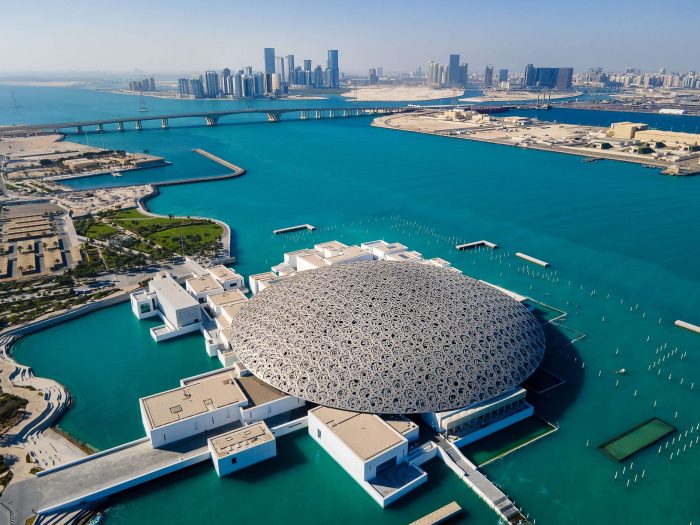
Why Investors Look Toward Abu Dhabi Today
Abu Dhabi has gained more attention from regional and international buyers over recent years, especially those looking for well-regulated communities and stable performance. Several factors shape its investment appeal:
- Strong Government-Backed Growth: Abu Dhabi’s economy is driven by large-scale initiatives in culture, tourism, clean energy, technology, and finance. These long-term programs continue to attract both residents and companies, increasing demand for properties across the emirate.
- Attractive Rental Yields in Key Districts: Districts like Al Reem Island, Saadiyat Island, Yas Island, and Al Raha Beach record healthy rental demand from professionals, families, and expatriates who prefer a quieter environment but still want city conveniences.
- Balanced Lifestyle Appeal: Abu Dhabi offers a calmer pace, cultural landmarks, larger community layouts, and family-oriented developments. This attracts tenants who stay longer, contributing to lower vacancy rates in many neighborhoods.
- Competitive Entry Prices: Compared with Dubai’s most popular districts, Abu Dhabi’s property prices often start lower, giving investors easier access to high-quality residential options.

Why Investors Continue to Choose Dubai
Dubai’s international reputation keeps it among the world’s most desirable investment destinations. Its appeal grows from its fast-paced development and global connectivity.
- High Liquidity and Strong Global Demand: Dubai is known for rapid property transactions, higher resale activity, and strong interest from foreign buyers. This makes it suitable for investors who value market movement and trading opportunities.
- Wide Variety of Property Types: Dubai offers diverse choices—from beachfront residences to major mixed-use communities—suiting investors with different budgets and goals.
- Tourism and Business Hub Advantages: As a globally connected city with record visitor numbers, Dubai benefits from ongoing demand for short-term rentals and homes near business districts.
- Attraction of Premium Luxury Buyers: Dubai’s high-end segment continues to grow, driven by waterfront projects, branded residences, and properties designed for affluent international buyers.

Abu Dhabi or Dubai: Which Performs Better?
Both cities perform well, but their strengths differ. The choice depends on what you want from your portfolio.
Abu Dhabi tends to appeal to:
- Long-term investors seeking stable income
- Buyers interested in established master-planned communities
- Families moving into larger homes and communities with strong regulations
- Investors who prefer calmer urban environments
Dubai tends to appeal to:
- Investors wanting fast market activity
- Buyers looking for potential capital appreciation in emerging districts
- Those interested in short-term rentals and tourism-driven markets
- Investors targeting ultra-luxury or branded projects
Neither city is “better” for everyone. Instead, each suits specific goals, timelines, and risk profiles.
Comparing the Two Cities on Key Investment Factors
- Capital Growth: Dubai often leads due to rapid development cycles and strong demand. Abu Dhabi is steadier, driven by long-term master plans and gradual expansion.
- Rental Market: Abu Dhabi attracts long-term tenants, while Dubai appeals to both long-term and short-term renters because of its tourism and business sectors.
- Regulations and Investor Protection: Both cities offer strong legal structures, but Abu Dhabi is known for a consistent regulatory environment that appeals to families and long-term residents.
- Lifestyle Drivers: Abu Dhabi draws those interested in culture, nature, and quieter communities. Dubai attracts people who enjoy a dynamic, cosmopolitan environment with a wide variety of entertainment options.
Which One Should You Invest In?
The ideal choice depends on your goals:
- If you prefer steady returns and a calm environment with long-term demand, Abu Dhabi is a strong contender.
- If you aim for a fast-moving market with resale activity and diverse projects, Dubai could be a better match.
Many investors actually choose both, balancing stability (Abu Dhabi) with growth potential (Dubai).
Abu Dhabi and Dubai are two of the most attractive property markets in the region. Each offers something valuable—Abu Dhabi with steadiness and well-planned communities, Dubai with momentum and worldwide appeal. Aligning your investment with the city that matches your long-term goals can help you build a stronger and more diversified property portfolio in the UAE.