How Safe Is Property Ownership for Foreigners in the UAE?

Foreign property ownership in the UAE has evolved into a clearly regulated and widely used system, particularly in cities like Dubai and Abu Dhabi. With defined ownership zones, registered title deeds, and strong government oversight, the UAE has positioned itself as one of the most structured real estate markets in the region for international buyers.
Introduction: Foreign Property Ownership in the UAE
The UAE has spent decades shaping a real estate system that attracts international investors, long-term residents, and overseas buyers. Clear ownership laws, regulated developers, and transparent registration processes have helped position the country as a stable property market in the Middle East.
Foreign ownership is not an exception here. It is a well-regulated and established part of the real estate framework, particularly in major cities such as Dubai and Abu Dhabi.
What Does “Foreign Property Ownership” Mean in the UAE?
Foreign property ownership in the UAE refers to non-UAE nationals legally purchasing real estate in designated areas approved by local authorities.
Freehold vs Leasehold Explained
- Freehold ownership
Allows foreigners to own the property outright, including the right to sell, lease, or pass it on to heirs. - Leasehold ownership
Grants long-term usage rights, typically for up to 99 years, without full land ownership.
Freehold is the most common option for foreign buyers in Dubai and select investment zones in Abu Dhabi.

Where Can Foreigners Buy Property in the UAE?
Foreign Ownership Zones by Emirate
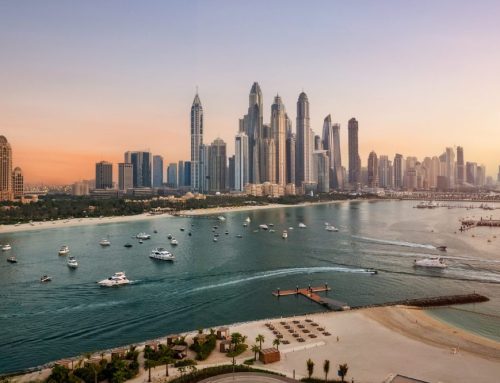
Dubai offers the widest range of freehold areas for foreigners, including:
- Downtown Dubai
- Dubai Marina
- Palm Jumeirah
- Business Bay
- Dubai Hills Estate
Foreign ownership is permitted in designated investment zones such as:
- Yas Island
- Saadiyat Island
- Al Reem Island
- Masdar City
Other emirates, including Sharjah and Ras Al Khaimah, also allow foreign ownership under specific regulations.
Legal Framework Protecting Foreign Property Buyers
One of the key reasons the UAE attracts international investors is its structured legal system around real estate.
Title Deeds and Registration
All property transactions must be registered with official authorities:
- Dubai Land Department (DLD) for Dubai
- Department of Municipalities and Transport (DMT) for Abu Dhabi
Once registered, buyers receive a government-issued title deed, which acts as legal proof of ownership.
Developer Regulation and Escrow Laws
Off-plan properties are governed by escrow regulations:
- Buyer payments are held in regulated escrow accounts
- Funds are released to developers based on construction milestones
- This system limits the misuse of buyer funds and improves transparency

How Secure Is the Buying Process for Foreigners?
Regulated Brokers and Agencies
Real estate brokers in the UAE are required to be licensed by local authorities. This adds a layer of accountability and reduces unregulated transactions.
Clear Sales and Purchase Agreements
Property contracts are standardized and registered. Key details such as price, handover timelines, and payment schedules are clearly outlined and legally binding.
Dispute Resolution Channels
Property-related disputes can be addressed through:
- Real Estate Regulatory Agency (RERA)
- Rental Dispute Settlement Committees
- UAE courts
These formal channels provide structured resolution processes for buyers and sellers.
Ownership Rights After Purchase
Foreign property owners in the UAE can:
- Lease their property for short-term or long-term rentals
- Sell the property on the open market
- Transfer ownership to heirs, subject to legal documentation
- Use property ownership as part of residency visa eligibility, depending on value thresholds
These rights apply regardless of whether the owner resides inside or outside the UAE.

Ownership Rights After Purchase
Foreign property owners in the UAE can:
- Lease their property for short-term or long-term rentals
- Sell the property on the open market
- Transfer ownership to heirs, subject to legal documentation
- Use property ownership as part of residency visa eligibility, depending on value thresholds
These rights apply regardless of whether the owner resides inside or outside the UAE.
Risks to Be Aware Of and How They Are Managed
No property market is risk-free, but the UAE has systems designed to reduce common concerns.
Market Fluctuations
Property values can rise and fall depending on supply, demand, and economic conditions. This is typical of any global market.
Off-Plan Delays
Construction delays may occur. Escrow regulations and developer oversight help manage this risk.
Service Charges and Fees
Owners should budget for:
- Annual service charges
- Registration fees
- Maintenance costs
These costs are disclosed upfront during the purchase process.

How the UAE Compares to Other Global Markets
Compared to many international destinations, the UAE stands out for:
- No annual property tax in most cases
- No capital gains tax on property sales
- Streamlined ownership registration
- High transparency in property records
These factors contribute to a market that is accessible and structured for foreign buyers.
Is Property Ownership in the UAE Safe for Foreigners?
For foreigners, property ownership in the UAE operates within a clear legal and regulatory framework. Defined ownership zones, mandatory registration, escrow laws, and licensed intermediaries all contribute to a stable environment for buyers.
While due diligence remains essential, the overall system is designed to support transparency, accountability, and long-term confidence in property ownership.
Buying property in the UAE is not just about location or price. Understanding the legal structure, ownership rights, and regulatory protections helps buyers move forward with clarity and confidence.