Residential vs Commercial Property Demand in the UAE 2026
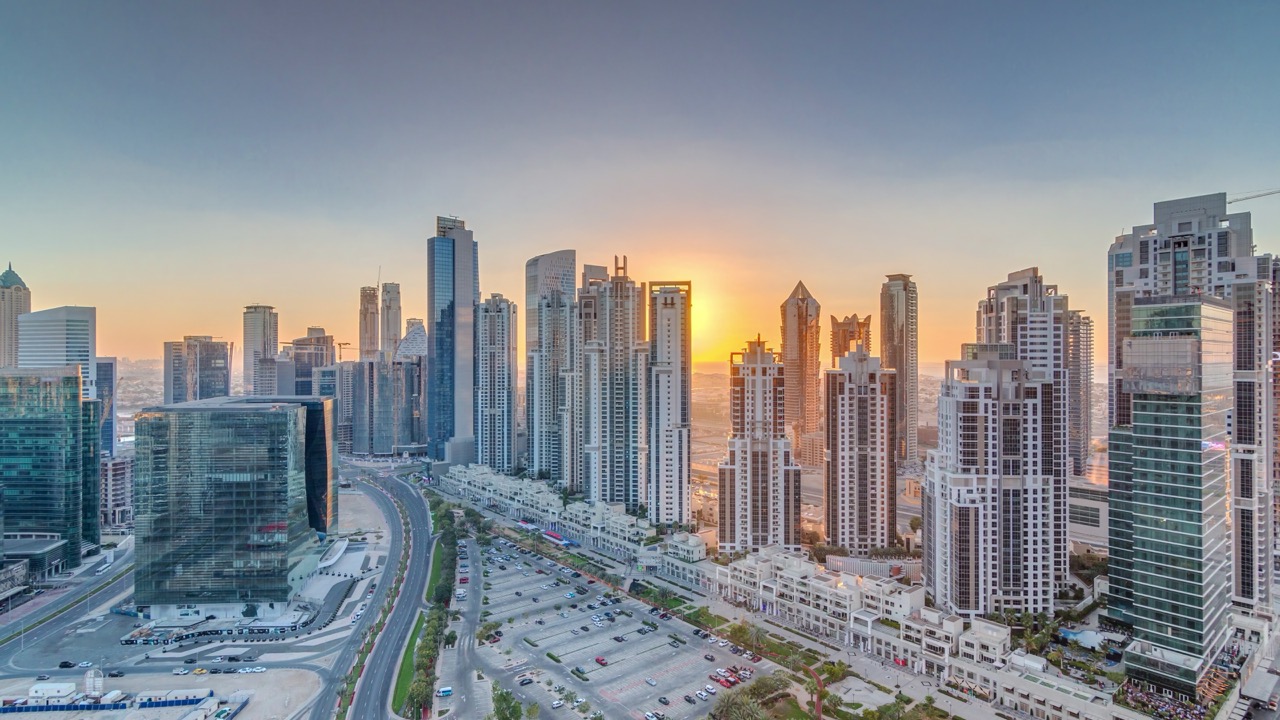
Are you considering investing in property in the UAE? It does not matter if your investment is in the residential or commercial market, demand shift in 2026 will definitely be a good for all the good investors to shape their decisions. Property Shop Invest (PSI) continuously keeps track of market behavior across the emirates and helps investors and end-users to read the market with total confidence.
Understanding the UAE Property Landscape in 2026
The UAE property market is still moving towards maturity, which is being influenced by a number of factors, including population growth, business expansion, regulatory clarity, and long-term national visions like UAE Centennial 2071. Both residential and commercial segments are active, but the latter is driven by different factors of demand.
Before comparing the two, it is helpful to look at what is influencing the overall demand first.
Factors Driving Property Demand in the UAE
- Population growth is supported by the long-term residency programs
- Strong inflow of global businesses and entrepreneurs
- Infrastructure-led development across major emirates
- The evolving work and lifestyle patterns post-pandemic
All these factors impact the residential and commercial markets differently, which can be seen when they are analyzed separately.
Residential Property Demand in the UAE 2026
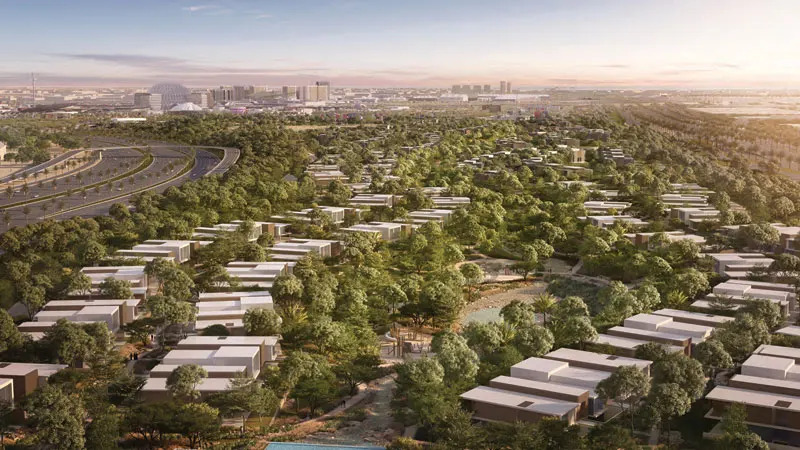
Residential demand is still the main area of the UAE real estate market and has the support of lifestyle migration and end-users’ stability.
Why Residential Demand Remains Strong
The UAE is a magnet that attracts professionals, families, and retirees looking for a place for long-term living. The Golden Visa program and the retirement residency option are among the main reasons for the continued interest among foreigners to purchase rather than rent short-term.
Among the key drivers are:
- Stability in the population in Dubai and Abu Dhabi
- Living in communities is preferred
- Mid-range and luxury housing demand is on the rise
- Off-plan residential launches are now more confidently backed
High-Demand Residential Areas by Emirate
Dubai
- Dubai Hills Estate
- Jumeirah Village Circle (JVC)
- Business Bay
- for the luxury segments, Palm Jumeirah
Abu Dhabi
- Yas Island
- Saadiyat Island
- Reem Island
The mentioned locations are still attracting buyers’ attention due to the good transport links, the availability of amenities, and their closeness to the areas of employment.
Buyer Profiles Shaping Residential Demand
- end-users looking for homes to stay for a long time
- local investors who aim to earn from rentals
- foreign buyers who treat UAE property as a way to preserve their wealth
Residential demand is generally more stable and consistent throughout the market cycles, which is one of the main reasons for its attractiveness to those who are looking for stability.

Demand for Commercial Property in the UAE 2026
Demand for commercial properties in 2026 is an indication of the UAE economy’s continuous diversification from being mainly dependent on oil and traditional trade.
What is Driving the Commercial Demand?
Commercial properties are directly related to the business sector’s confidence. The UAE’s friendly business environment has held the demand active, especially in the technology, logistics, healthcare, and finance sectors.
The major factors are:
- Increasing of free zones and grant of mainland licenses
- Setting up of small and medium enterprises (SMEs) and establishment of regional headquarters
- Constant arrival of multinational companies
- Need for flexible office and mixed-use spaces
Trends in Office, Retail, and Industrial Sectors
- Office Market: Demand for office space is discerning rather than widespread. The A categories of offices located in prime areas in Dubai and Abu Dhabi are still better than the older ones. Companies prefer to have functional spaces and good access rather than a large area.
- Retail Market: Retail demand is associated with fun places and not with the classical formats. Shopping centers with recreation, food, and mixed-use activities are always ahead of independent retail units in terms of sales.
- Industrial and Logistics: The industrial sector is feeling the heat from the e-commerce area as well as the regional trade demand. Properties for warehousing and logistics near the ports and main transport routes are becoming more and more sought-after.
Residential vs Commercial Demand
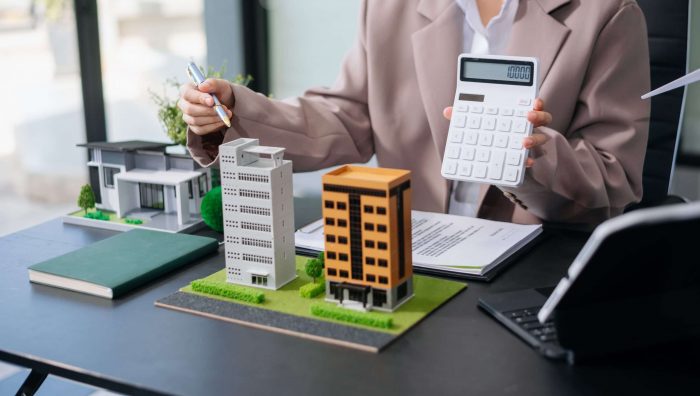
Get to know the differences between these segments and get their roles in a broader property strategy explained more clearly.
Demand Stability
- Residential: More stable and predictable because they are based on population needs
- Commercial: Cyclical and more closely linked with economic performance
Entry Price Range
- Residential: Wider range, thus they are available for more buyer profiles
- Commercial: High entry points, especially for prime assets
Tenant Turnover
- Residential: Usually lower turnover in family-friendly communities
- Commercial: Depends on lease arrangements and business cycles
Sensitivity to Market Shifts
- Residential: Not as greatly affected by economic changes
- Commercial: More in tune with regulatory and economic shifts
Thus, the differences justify the fact that the UAE’s property portfolios are typically a mix of both asset types.
How Location Shapes Demand Across Segments
Location is the only common element that connects both residential and commercial demand.
- Residential customers want to be near their community with easy access to schools and daily necessities
- Commercial customers are looking for a location that has high visibility, good transport links, and is in an area with other businesses
The idea of mixed-use developments has gotten more popular since they meet both demands, creating self-sustaining places that can support long-term occupancy.
What 2026 Signals for Investors and Buyers
The UAE property market in 2026 is about an equal distribution of demand rather than extremes. While the residential sector is keeping its demand, the commercial sector is attracting attention due to the challenging sectors for economic growth.
The question to be answered is not which segment is “better” but rather how each fits with:
- Investment horizon
- Risk tolerance
- Income expectations
- Asset management capacity
The understanding of these elements assists in matching property type with purpose.
Residential and commercial property demand in the UAE is not a competing force. They are parallel markets shaped by different needs but supported by the same economic foundation. In 2026, both continue to play important roles in the country’s real estate ecosystem.
For those navigating this landscape, clarity comes from understanding demand patterns, not chasing trends.