Long-Term Real Estate Investment in the UAE 2026: Areas, Returns & Trends
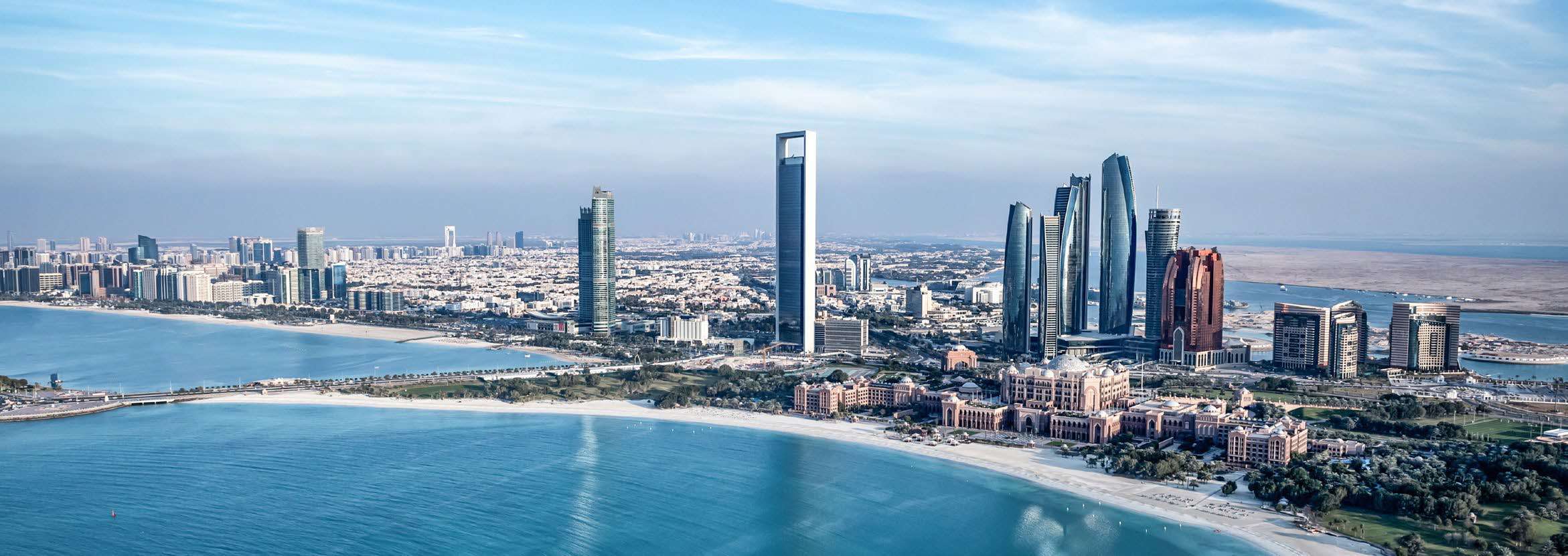
Planning a long-term property investment in the UAE for 2026 and beyond?
Property Shop Invest (PSI) shares a practical look at where demand is heading, which areas continue to attract long-hold investors, and how returns are shaping up across the Emirates.
Why Long-Term Property Investment in the UAE Still Matters in 2026
The UAE property market has moved into a more measured phase. By 2026, long-term investors will be less focused on short-term price movements and more on sustained rental demand, regulatory clarity, and livability.
Several factors continue to support long-hold strategies:
- A growing resident population supported by employment and business relocation
- Continued infrastructure delivery across Dubai and Abu Dhabi
- Long-term residency options linked to property ownership
- Clear ownership laws for freehold zones
These fundamentals make the UAE a market where patient investors often focus on income stability and gradual value growth.

What Long-Term Property Investment Means in the UAE Context
Typical Holding Periods
In the UAE, long-term investment usually means holding a property for 7 to 15 years or more. This timeframe allows investors to benefit from rental income while navigating normal market cycles.
Income and Value Growth Over Time
Long-term returns tend to come from two sources:
- Rental income supported by population growth and tenant demand
- Capital appreciation linked to infrastructure completion, community maturity, and limited supply in established districts
The balance between these two varies by emirate and location.
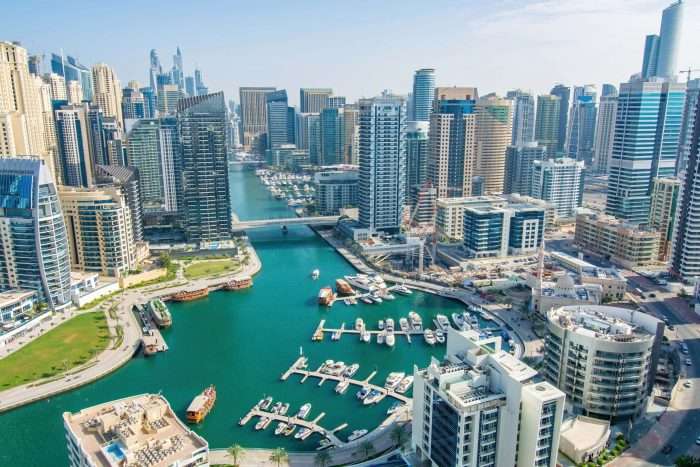
Best Areas for Long-Term Property Investment in the UAE
Dubai: Depth, Demand, and Liquidity
Dubai remains the most active market for long-term investors due to its global appeal and rental turnover.
Dubai Marina and Jumeirah Lake Towers (JLT)
- High rental demand from professionals
- Strong track record for occupancy
- Suitable for investors prioritizing income consistency
Downtown Dubai and Business Bay
- Central locations near employment hubs
- Higher entry points balanced by strong rental rates
- Popular with long-term tenants and corporate leases
Dubai Hills Estate and Arabian Ranches
- Family-focused communities with schools and retail
- Lower tenant turnover compared to central districts
- Often chosen for stable long-term holding strategies
Abu Dhabi: Stability and End-User Driven Demand
Abu Dhabi continues to attract investors seeking steadier price movement and strong local demand.
Yas Island
- Lifestyle-driven community with ongoing development
- Balanced mix of rental income and long-term value growth
- Appeals to residents working across the capital
Saadiyat Island
- Limited supply and cultural positioning
- Focus on quality-led demand rather than volume
- Often viewed as a long-term capital preservation play
Reem Island
- Central location with competitive pricing
- Popular among professionals and families
- Consistent rental demand supports long-term income
Emerging Locations Gaining Attention by 2026
Dubai South
- Linked to logistics, aviation, and employment growth
- Long-term appeal tied to infrastructure delivery rather than short cycles
Aljada, Sharjah
- Increasing demand from residents seeking affordability near Dubai
- Lower entry prices support rental yield-focused strategies

Long-Term Property Returns in the UAE
Rental Yield Expectations
By 2026, long-term rental yields in the UAE typically range between 5% and 8%, depending on location, property type, and service charges. Established communities often show slightly lower yields with reduced volatility, while newer areas may offer higher yields with longer maturation timelines.
Capital Appreciation Trends
Capital growth in long-term UAE investments is usually gradual. Price movement often follows:
- Completion of transport links and retail hubs
- Increased population density
- Transition from off-plan supply to established neighborhoods
This pattern favors investors who are comfortable holding through development phases.
UAE Property Market Outlook for Long-Term Investors in 2026
Population Growth and Housing Demand
The UAE continues to attract professionals, entrepreneurs, and families. This supports steady housing demand, particularly in communities close to employment zones, schools, and public transport.
Supply and Market Balance
While new supply remains part of the market, recent delivery schedules are more phased. This has helped reduce sharp price corrections and supported longer-term stability in key areas.
Regulations and Investor Confidence
Improved transaction transparency, escrow systems, and ownership clarity have strengthened confidence among long-term investors who prefer predictability over speculation.
Factors to Consider Before Investing Long-Term
- Location and Connectivity: Proximity to transport, workplaces, and daily amenities often has a stronger impact on long-term performance than unit size or layout.
- Service Charges and Net Income: Service charges directly affect net returns over time. Reviewing these costs early helps set realistic income expectations.
- Tenant Profile: Communities attract different tenant types. Family-oriented areas often see longer lease durations, while central districts may offer higher rents with more frequent turnover.
How Long-Term Investors Structure Their UAE Portfolios
Many long-term investors:
- Spread investments across different communities or emirates
- Combine ready properties for income with off-plan units for future value
- Focus on mortgage-friendly assets to improve cash flow management
This approach helps balance income generation with exposure to long-term growth drivers.
By 2026, the UAE property market will continue to reward long-term thinking built on location quality, demand fundamentals, and realistic return expectations. While short-term market movements attract attention, long-hold strategies remain closely tied to population growth, infrastructure delivery, and community maturity.