Dubai Property Market Reaches $185.5 Billion in 2025 as Population Growth Reshapes Demand
A market update for buyers, investors, and long-term residents
Dubai’s property market closed 2025 with one of its strongest performances on record, recording AED 681 billion ($185.5 billion) in total sales. Behind the headline numbers sits a deeper shift: demand is now led by population growth, end-user activity, and long-term settlement rather than short-term trading.
This change has quietly reshaped where people buy, what they buy, and how supply is planned for the years ahead.
Dubai’s Property Market in 2025: A Year Defined by Resident Demand
In 2025, Dubai recorded 213,700 residential transactions, marking a 6.9% year-on-year increase. Average sale prices rose by 7.6%, reflecting steady upward movement rather than sudden spikes.
What stands out is not just volume, but buyer intent.
Purchasing activity was increasingly driven by residents choosing Dubai as a permanent base. Career progression, family planning, and lifestyle stability played a central role in buying decisions, particularly among buyers aged 31 to 45, with the 36–40 age group accounting for the largest share of transactions.
This pattern points to a maturing market, where homes are being bought to live in, not just to trade.
Population Growth Continues to Anchor Housing Demand
Dubai crossed a major milestone in 2025, reaching over 4.03 million residents. More than 208,000 new arrivals relocated to the city during the year, adding to a long-term population increase of 1.35 million people since 2014.
This sustained inflow has changed how demand forms:
- Housing needs are tied to real occupancy
- Families and professionals are planning multi-year stays
- Community services, connectivity, and livability now influence pricing power
Rather than reacting to short cycles, the market is responding to demographic reality.
Apartment Sales Reflect Urban Living Preferences
Apartments continued to account for the largest share of transactions in 2025.
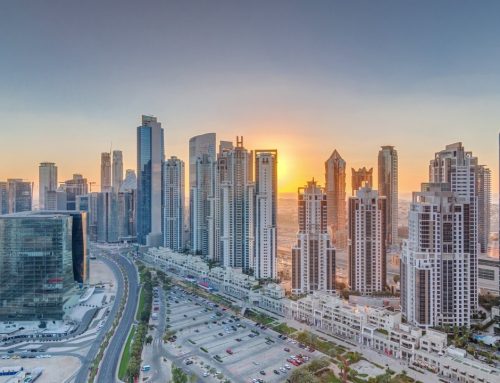
Areas such as Jumeirah Village Circle, Business Bay, and Dubai Marina absorbed consistent demand, particularly among professionals and smaller households. One-bedroom units led performance across both off-plan and ready markets, aligning with the needs of new residents and first-time buyers.
This trend highlights a preference for:
- Central or well-connected locations
- Manageable price points
- Flexible layouts suitable for long-term use
Apartments remain the entry point into ownership for many residents settling into Dubai life.
Villa Communities Signal Long-Term Commitment
While apartments dominated transaction volume, villa sales told a different story about buyer intent.
Four-bedroom villas emerged as the most traded configuration in both completed and off-plan segments. Communities such as Wadi Al Safa, Al Hebiah Fifth, and Dubai South attracted families prioritising space, schools, and long-term neighbourhood stability.
Villa purchases increasingly reflect:
- Multi-year residency plans
- Family-led decision making
- A focus on community living over short-term yield
This segment continues to reinforce Dubai’s shift toward permanent settlement.
Measured Supply Supports Market Balance
Supply delivery in Dubai has remained controlled. By the end of 2025, 24 real estate projects valued at AED 4.5 billion were completed.
Looking ahead:
- 96,500 residential units are expected for handover in 2026
- 84,979 units are projected for 2027
- 45,480 units are forecast for 2028
Upcoming supply is concentrated within established and emerging master-planned communities, including:
- Dubai Creek Harbour
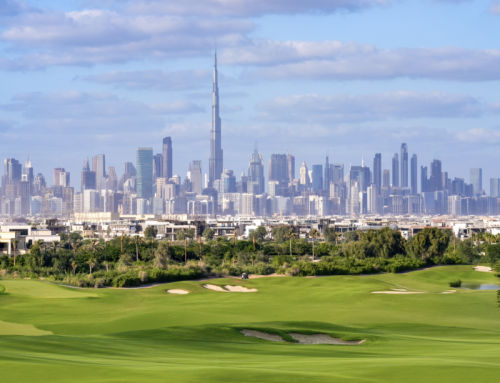
- Dubai Hills Estate
- Damac Lagoons
- Arabian Ranches 3
- Arjan
- Business Bay
This phased pipeline reflects alignment between construction activity and actual housing demand.
From Price Cycles to Population Cycles
One of the most important shifts confirmed in 2025 is how Dubai’s property market now moves.
Rather than cycling through rapid price swings, demand is increasingly linked to:
- Resident growth
- Lived-in preferences
- Community maturity
- Infrastructure readiness
Resale activity has remained active in neighbourhoods with established services, while off-plan demand continues to favour projects anchored in real lifestyle appeal.
As population momentum carries into 2026, the market’s direction appears grounded in fundamentals rather than sentiment.
What This Means Moving Forward
Dubai’s 2025 performance shows a market evolving with its residents. Growth has not disappeared, but it is now shaped by stability, structure, and long-term planning.
For buyers and investors alike, understanding where people are choosing to live — and why — has become more important than chasing short-term trends.
Thinking about property decisions in Dubai’s evolving market?
At Property Shop Investment (PSI), we follow market data, population trends, and community performance to help clients make informed decisions based on how Dubai is growing today — and where it’s heading next.