Will Dubai Rents Go Down in 2026? A Market Update for Tenants & Landlords
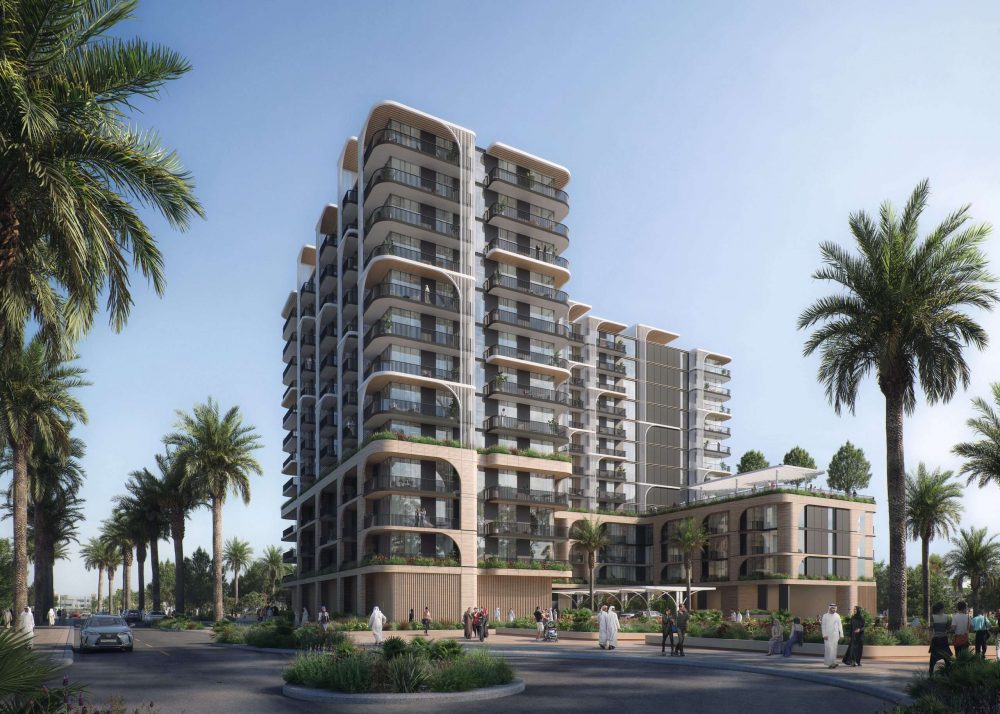
Thinking about renting or investing in Dubai in 2026?
The rental market is entering a more balanced phase. Understanding where rents may soften, where they hold firm, and why these shifts are happening can help tenants and landlords plan with clarity.
Dubai’s rental housing market is no longer driven by rapid price growth alone. Instead, 2026 points toward a more structured, seasonal, and predictable environment shaped by vacancy levels, tenant behavior, and long-term residency trends.
Dubai Rental Market in 2026: A Shift Toward Balance
Dubai’s population continues to grow toward the 4 million mark, but affordability and stability are now central to sustaining long-term demand. Rather than a downturn, the rental market is undergoing recalibration.
According to Colife forecasts, Dubai’s average annual rental vacancy rate is expected to reach around 12 percent in 2026, reflecting a maturing market with clearer supply and demand patterns.
This shift signals a move away from short-term pricing spikes toward steadier rental strategies, especially in residential communities.
Seasonal Vacancy Trends & Their Impact on Rents
Seasonality is becoming a defining feature of Dubai’s rental cycle.
Peak Vacancy Periods
- July to September are expected to record vacancy levels of up to 16 percent
- Driven by summer travel, school breaks, and slower business activity
High-Activity Months
- October and November may see vacancy fall to around 5 percent
- Supported by hiring cycles, relocations, and corporate expansions
For landlords, this highlights the importance of managing income across the full year rather than focusing only on peak-season pricing.
Will Dubai Rents Actually Fall in 2026?
Mid-Term Rentals Under Pressure
The mid-term rental segment is likely to feel the most pressure during low season.
- Colife data suggests summer rents may decline by up to 5 percent
- High-season rents are expected to stay broadly aligned with 2024–2025 levels
- Limited upward movement outside peak months
Price Sensitivity by Property Type
- Luxury units tend to see milder corrections
- Comfort- and business-class homes are more exposed to seasonal swings
Location, quality, and target tenant profile remain key drivers of performance.
Long-Term Leases Are Gaining Ground
One of the clearest trends shaping 2026 is the shift toward long-term leasing and homeownership.
Areas such as:
- Al Furjan
- Jumeirah Village Circle (JVC)
- Jumeirah Lake Towers (JLT)
have seen Ejari-registered annual leases deliver more stable returns compared to mid-term rentals in 2025.
Mid-term units experienced sharper low-season drops, while annual contracts provided:
- Lower vacancy
- Steadier cash flow
- Reduced turnover
For residential, non-touristic locations, long-term rentals are emerging as a more resilient approach over a three- to five-year horizon.
Short-Term Rentals Face Oversupply Risks
The short-term rental segment is expected to be the most vulnerable in 2026.
According to AirDNA:
- Around 25,000 active short-term listings in 2025
- Up from just 9,000 listings in 2022
While tourism continues to grow, demand has not kept pace with the surge in supply. This imbalance is placing pressure on:
- Average daily rates
- Occupancy levels
- Property management standards
Hosts are likely to face stronger competition and higher expectations from tenants.
Changing Tenant Behavior in Dubai
Dubai’s rental market is becoming less transient.
In previous years, many residents treated the city as seasonal, leaving during summer and returning for peak months. By 2026, this pattern is fading.
More residents are:
- Signing long-term leases
- Purchasing homes
- Relocating families
- Establishing permanent residency
This transition reduces reliance on tourism cycles and anchors demand in long-term housing needs.
What Softer Rents Mean for Dubai’s Economy
Moderation in rental pricing carries broader benefits.
- Improved affordability for skilled professionals and families
- Lower relocation costs for employers
- Better talent retention
- Reduced tenant turnover
These factors support Dubai’s wider economic diversification and long-term competitiveness.
What Tenants & Landlords Should Expect in 2026
Dubai’s rental market in 2026 is shaped by balance rather than rapid escalation.
- Prime areas and peak seasons remain resilient
- Vacancy and seasonality require closer attention
- Income stability is becoming more important than headline rent
The strongest outcomes are likely to come from well-positioned properties aligned with long-term demand patterns.
Changing Tenant Behavior in Dubai
Dubai’s rental market is becoming less transient.
In previous years, many residents treated the city as seasonal, leaving during summer and returning for peak months. By 2026, this pattern is fading.
More residents are:
- Signing long-term leases
- Purchasing homes
- Relocating families
- Establishing permanent residency
This transition reduces reliance on tourism cycles and anchors demand in long-term housing needs.
Final Thoughts
Dubai rents may soften in parts of the market during 2026, but this reflects maturity, not decline. For tenants, it brings more choice and flexibility. For landlords and investors, it emphasizes strategy, timing, and asset positioning.