Why Dubai Villas Are Expected to Outperform Apartments as the Market Moves Into 2026
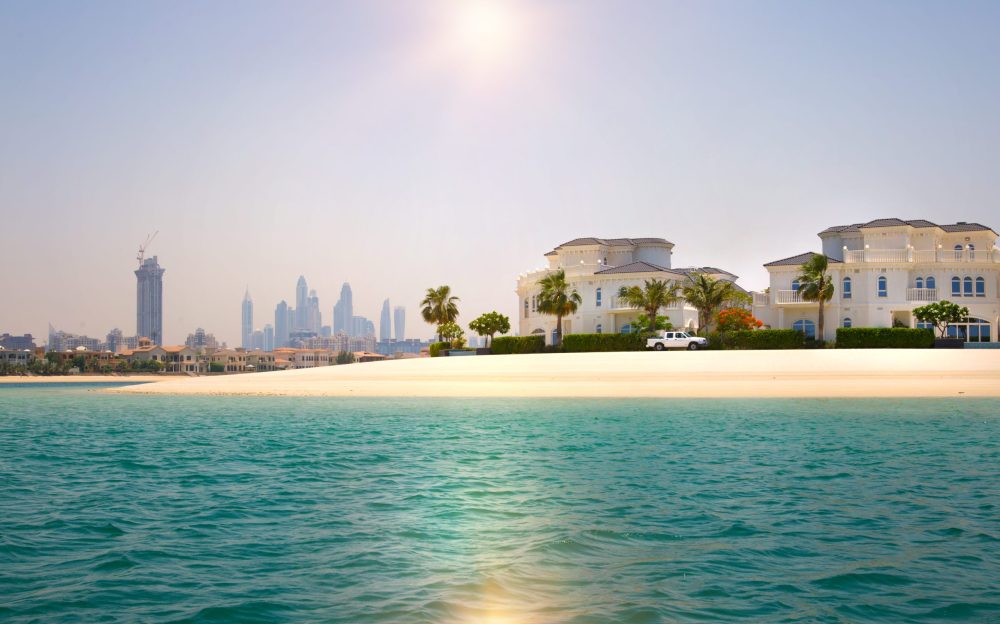
Dubai’s residential market is entering 2026 with steady momentum rather than rapid acceleration. While overall growth continues, a clear pattern is emerging. Villas and townhouses are increasingly outperforming apartments, driven by tight supply and sustained family demand.
Industry voices point to a market that is maturing naturally, with pricing and performance becoming more dependent on location, property type, and real end-user needs.
Villa Demand Continues to Outpace Supply
One of the strongest forces shaping Dubai’s housing market is the limited availability of villas and townhouses. New supply remains constrained, especially in established communities that families prefer for long-term living.
As a result, villa owners have seen pricing move faster than apartments. In 2025, villas recorded some of the highest sales and rental premiums across the city, reflecting how demand continues to exceed available stock.
This imbalance is expected to carry into 2026, particularly in mature neighborhoods where new land releases are limited.
Why Families Are Driving the Villa Market
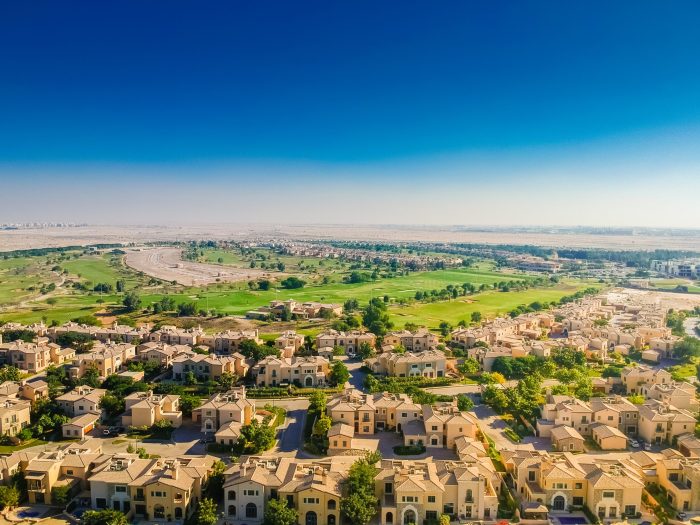
Family-led demand remains central to Dubai’s residential growth. Many residents are no longer viewing Dubai as a short-term stop, but as a permanent base. This shift has increased interest in larger homes, outdoor areas, and community-focused living.
While apartments remain popular, villas and townhouses offer features that align more closely with family needs. This trend has pushed some buyers, priced out of villa communities, toward larger apartment units, while villas maintain stronger pricing power.
Apartment Supply Moves Into a Stabilisation Phase
Apartments are entering a different cycle. As more units are completed, especially studios and one-bedroom homes, buyer choice has expanded. This has led to slower absorption in some segments, particularly smaller units.
Larger apartments continue to attract interest, mainly from families seeking space at a lower entry point than villas. Even so, pricing growth for apartments is expected to be more measured compared to villas and townhouses.
A More Measured Market Does Not Mean a Weak One
Dubai’s residential market is still growing, but at a calmer and more mature pace. Transaction values reached around AED512 billion in 2025, with off-plan sales accounting for roughly two-thirds of residential activity.
This performance has been supported by population growth, liquidity, and end-user demand rather than short-term speculation. As the market matures, differences between locations and property types are becoming more pronounced.
What 2026 Could Look Like for Buyers & Owners
Heading into 2026, several themes are expected to shape the market:
- Villas and townhouses remain resilient
Established villa communities are likely to hold value well due to limited new supply.
- Apartments see selective performance
Larger units and well-located developments continue to attract interest, while smaller units face more competition.
- Growth becomes more disciplined
Demand is strongest in the affordable luxury range between AED1 million and AED3 million, while activity at the top end becomes more selective rather than weaker.
Oversupply Concerns Remain Localised
Concerns around oversupply tend to resurface whenever delivery pipelines increase. Industry leaders note that most risks are concentrated in specific segments rather than across the entire market.
A significant portion of forecast supply is often delayed or phased, which helps ease pressure on pricing. Established villa and townhouse communities are widely expected to outperform on a value basis due to these constraints.
Global Demand Continues to Support Dubai’s Housing Market
International buyers remain active, with continued interest from the UK, India, Europe, the GCC, and North America. Economic shifts abroad, combined with Dubai’s long-term residency options such as the Golden Visa, continue to support end-user demand.
Despite rising prices, Dubai remains competitively priced compared to other global cities, particularly for family homes and larger properties.
What This Means for the Dubai Property Market
As Dubai moves into 2026, the residential sector reflects a market that is evolving rather than overheating. Villas and townhouses are expected to lead price growth, supported by supply constraints and lifestyle-driven demand.
For buyers and owners alike, understanding these shifts is becoming more important than chasing volume or short-term trends.
Exploring Villa & Townhouse Opportunities in Dubai?
Property Shop Investment (PSI) tracks market movements across Dubai’s established and emerging communities. Whether you are reviewing villa options or assessing long-term residential trends, our team provides clear insights to support informed decisions.